Ranchi, September 07, 2026: World Physiotherapy Day, observed every year on September 8, is drawing attention to the role of physiotherapy in improving mobility, physical independence and quality of life, with this year’s focus on the prevention, management and rehabilitation of cardiovascular diseases and stroke.
The message accompanying the observance also encourages people to “Sit Less, Move More”, highlighting the importance of regular physical activity in maintaining a healthier lifestyle.
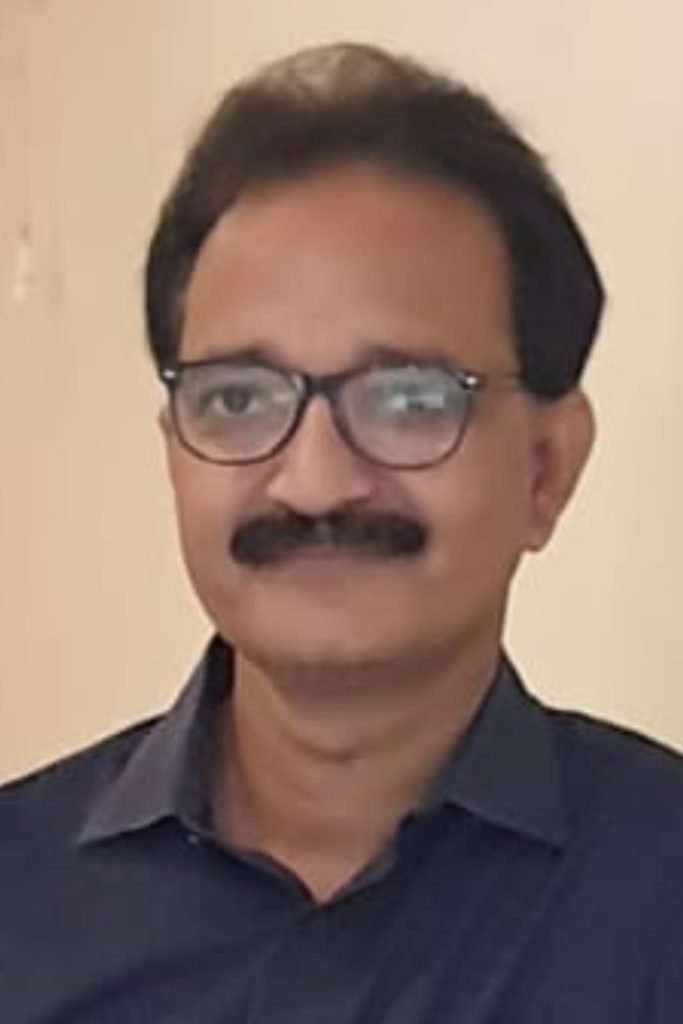
According to Dr Rajiv Ranjan (PT), Secretary of the IAP Jharkhand Branch and HOD – Physiotherapy at Gulmohar Hospital, physiotherapy should not be viewed only as a treatment for pain. It also plays an important role in restoring physical function and helping people return to active and independent lives.
Physiotherapy extends beyond pain management
Physiotherapy is widely used as part of rehabilitation following injuries, fractures and surgeries, as well as in conditions such as arthritis, back and neck pain, stroke, neurological problems and sports-related injuries.
Dr Ranjan highlighted the growing relevance of physiotherapy amid lifestyle changes. Long periods of sitting, inadequate physical activity, poor posture and stress can contribute to problems involving the neck, back, shoulders and knees.
Timely professional assessment, appropriate exercise and regular physical activity can form an important part of managing such problems and supporting long-term physical function.
Rehabilitation aims to restore independence
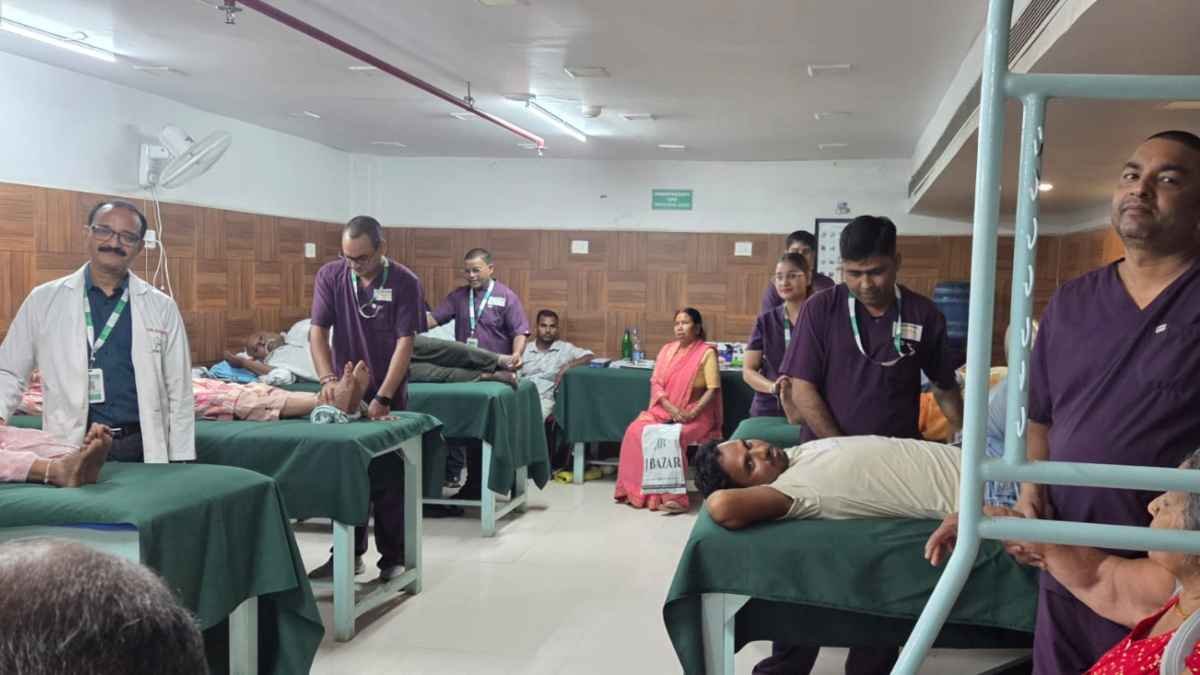
A physiotherapist assesses an individual’s condition and develops an appropriate rehabilitation approach. Depending on the patient’s needs, treatment may include exercises, manual therapy, electrotherapy and other rehabilitation techniques.
The emphasis is not simply on treating a particular condition but on helping patients regain movement, confidence and independence while participating actively in their recovery.
On World Physiotherapy Day, Dr Ranjan urged people to make regular exercise, proper posture and physical activity part of their daily routine.
The central message of the observance is simple, sit less, move more and stay active – while seeking appropriate professional guidance when rehabilitation or treatment is required.