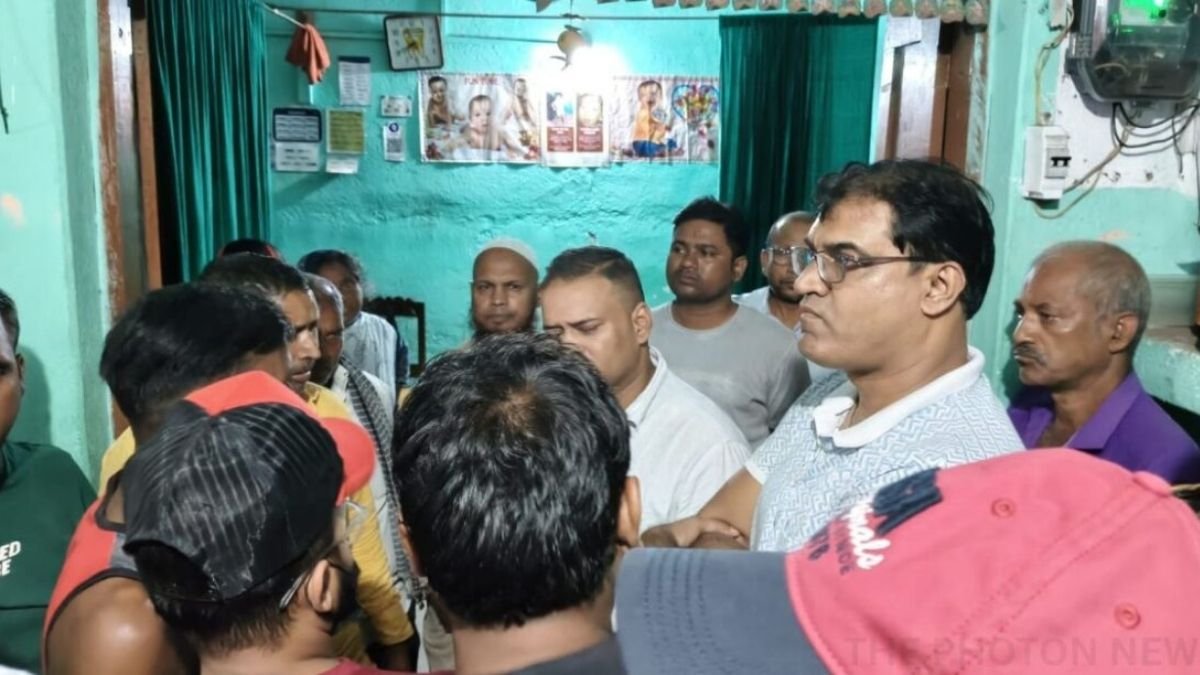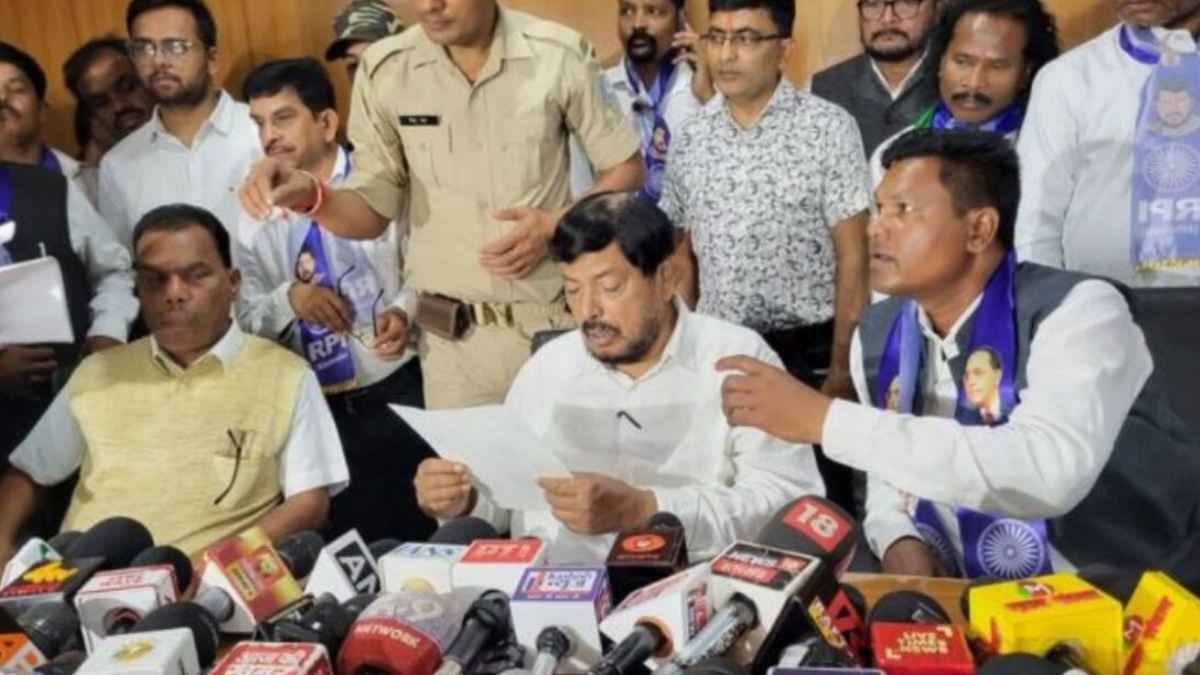
Ranchi, September 04, 2026: Jharkhand needs a stronger industrial base if it wants to create more local employment and reduce the number of young people leaving the state for work, Union Minister Ramdas Athawale said during his Ranchi visit.
Speaking to journalists during his one-day visit, Athawale said the state and Centre should work together to attract and establish new industries in Jharkhand. In his view, greater industrial activity would expand employment opportunities and allow more young people to find work within the state.
He suggested that the state government should take industrial development more seriously and frame policies that can facilitate new investments with support from the Centre.
Athawale questions handling of student protests
The Union minister also criticised the state government’s handling of the student protests over recruitment examinations.
Athawale said the government should have engaged with protesting students at the beginning of the agitation rather than resorting to a lathi charge. He also referred to the subsequent decision to cancel an examination, noting that the court later stayed that decision.
He called for a more effective recruitment and examination policy to prevent similar disputes in the future. Cases involving irregularities in recruitment examinations, he said, need to be addressed seriously.

Praise for Shibu Soren, criticism of Hemant Soren
Athawale recalled his longstanding relationship with former Jharkhand Chief Minister Shibu Soren and credited him with an important role in the movement for a separate Jharkhand state.
In contrast, Athawale criticised Chief Minister Hemant Soren’s political activity, saying he was not as active. He also claimed that people in Jharkhand were benefiting from various Central government schemes, including roads and food assistance.
Athawale further said his party would seek to form the government in Jharkhand in the future.
Athawale links reservation debate to caste system
On demands to end reservation, Athawale said the government had provided reservation to different sections of society and argued that the question of ending reservation could be considered if the caste system itself were eliminated.
He rejected the idea that members of Scheduled Caste and Scheduled Tribe communities lacked merit, pointing out that candidates from reserved and general categories can sometimes have only a small difference in examination scores.

According to Athawale, however, social and economic circumstances mean that candidates do not always have equal access to opportunities, which is why reservation continues to remain relevant.