Ranchi, September 1, 2026: Mosquito-borne diseases are emerging as a growing concern in Jharkhand during the rainy season, with health department data showing around 25,000 malaria cases and 79 confirmed dengue cases across the state so far.
According to the data, more than 18 lakh suspected patients have been tested for mosquito-borne diseases. Health experts have stressed that simple precautions during the monsoon can help reduce the risk of infection.
Stagnant water increases mosquito breeding
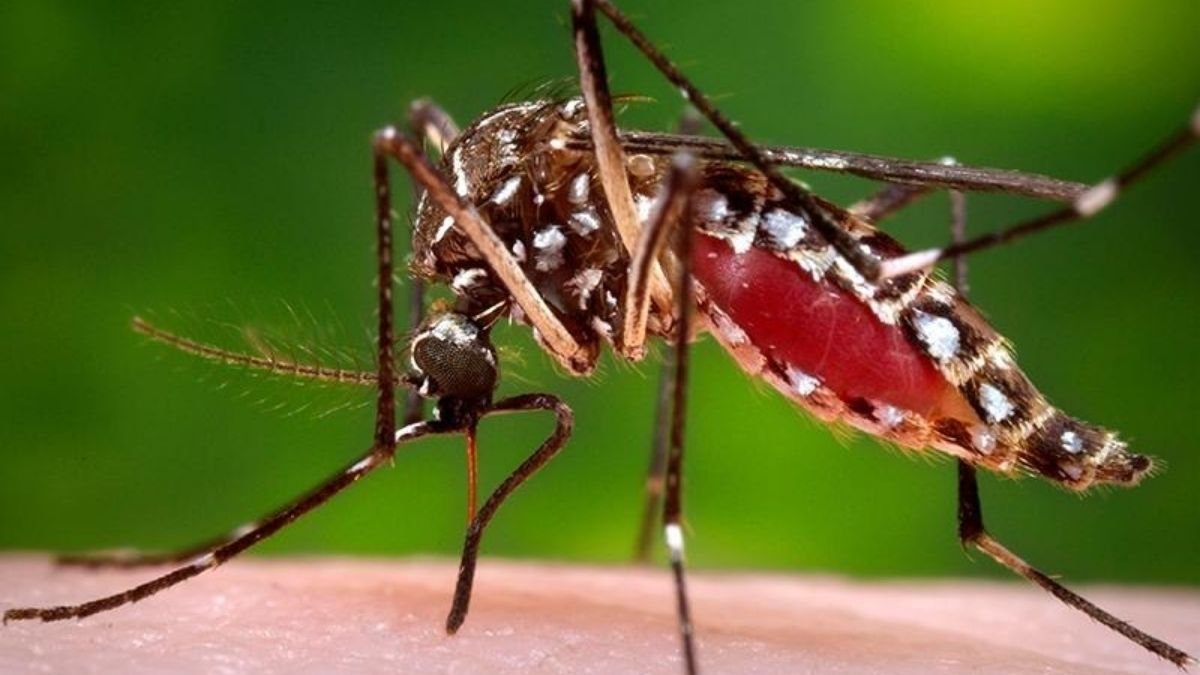
Mosquito larvae can develop in stagnant water accumulated around houses, vacant plots, potholes and discarded or broken containers. Mosquito bites can subsequently spread diseases such as malaria, dengue and chikungunya.
Health experts have advised people to prevent water from accumulating around their homes and other places where mosquitoes can breed.
Dengue testing kit shortage reported in Dhanbad
A concern has also emerged at Shaheed Nirmal Mahto Medical College in Dhanbad, where dengue testing kits have reportedly run out. Testing is currently being carried out using rapid antigen kits.
According to experts cited in the source material, rapid testing kits are not considered completely reliable, raising the possibility of inaccurate results.

The situation has added to concerns over the detection of dengue cases as mosquito-borne diseases increase during the monsoon season.