Ranchi, September 07, 2026: Rajendra Institute of Medical Sciences (RIMS) is moving towards a faster and more accountable security system, with a 24-hour Quick Response Team (QRT) and dedicated monitoring of different hospital wings among the measures being introduced after recent security-related incidents.
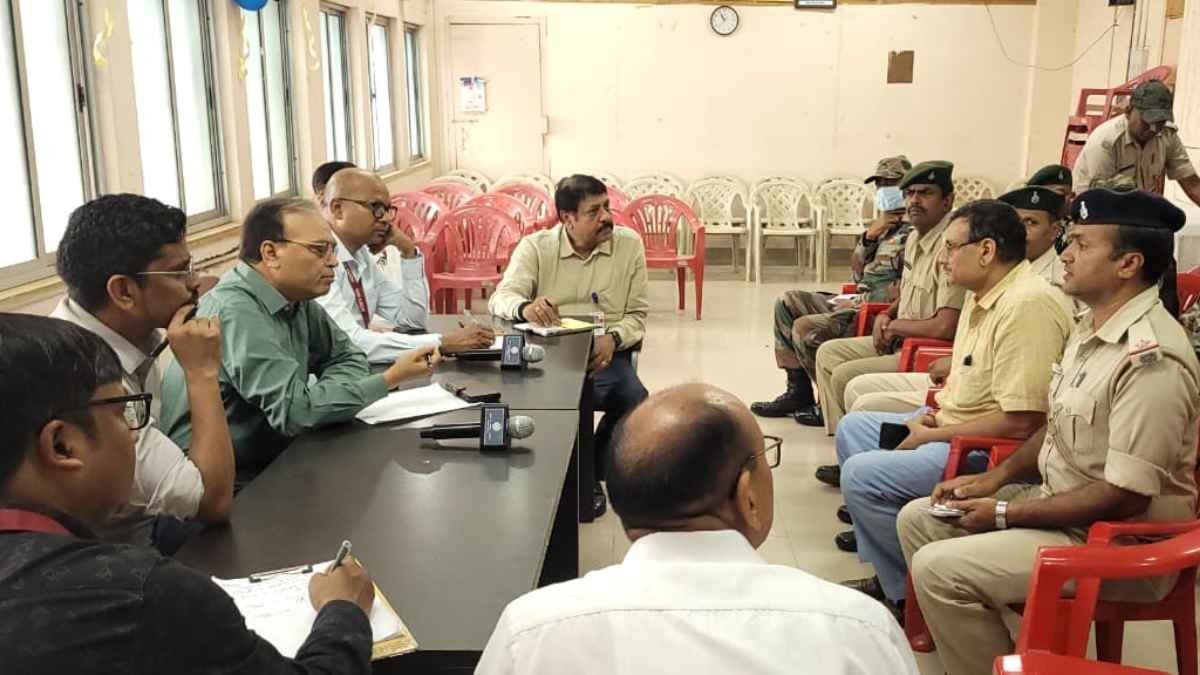
The decision was taken during a high-level security review chaired by RIMS Director Prof. Dr D.K. Sinha. Senior officials from the hospital administration, along with representatives of the Home Guard, SAP and JAP, attended the meeting.
The focus is on strengthening security at locations where large numbers of patients, attendants and healthcare workers are present, particularly the hospital’s critical care and emergency areas.
Critical hospital areas to get round-the-clock guard deployment
Security guards will be deployed in three shifts at the Trauma Centre, Medicine, Surgery, ICU and Super Speciality Blocks, ensuring continuous coverage of these sensitive areas.
RIMS will also divide the hospital campus into different wings. Each wing will have a designated officer responsible for security monitoring, creating clearer accountability for incidents and day-to-day supervision.
The new system is designed to improve both prevention and response rather than relying solely on routine security deployment.
QRT to respond to incidents around the clock
A dedicated QRT will remain operational 24 hours a day. The team will be expected to reach the location quickly whenever information about an untoward incident is received.
Security personnel will also be equipped with walkie-talkies to improve communication between different points of the hospital. The system is expected to help guards coordinate more quickly when additional personnel are required.
The administration will display security duty rosters on digital display boards. Regular briefings will also be conducted, while a special parade every Sunday will focus on discipline and preparedness among security personnel.
Junior doctors raise concerns
Representatives of the Junior Doctors’ Association also raised their security concerns during the review meeting. The RIMS director has asked the association to submit a detailed report so that specific issues can be examined and addressed promptly.
Dr Sinha said maintaining a peaceful and secure environment for doctors, employees, patients and their attendants remains a priority for the institute. The security arrangements will be reviewed regularly, according to the hospital administration.

With the QRT, wing-level supervision and direct communication among guards, RIMS is seeking to create a more coordinated response mechanism across its large hospital campus.