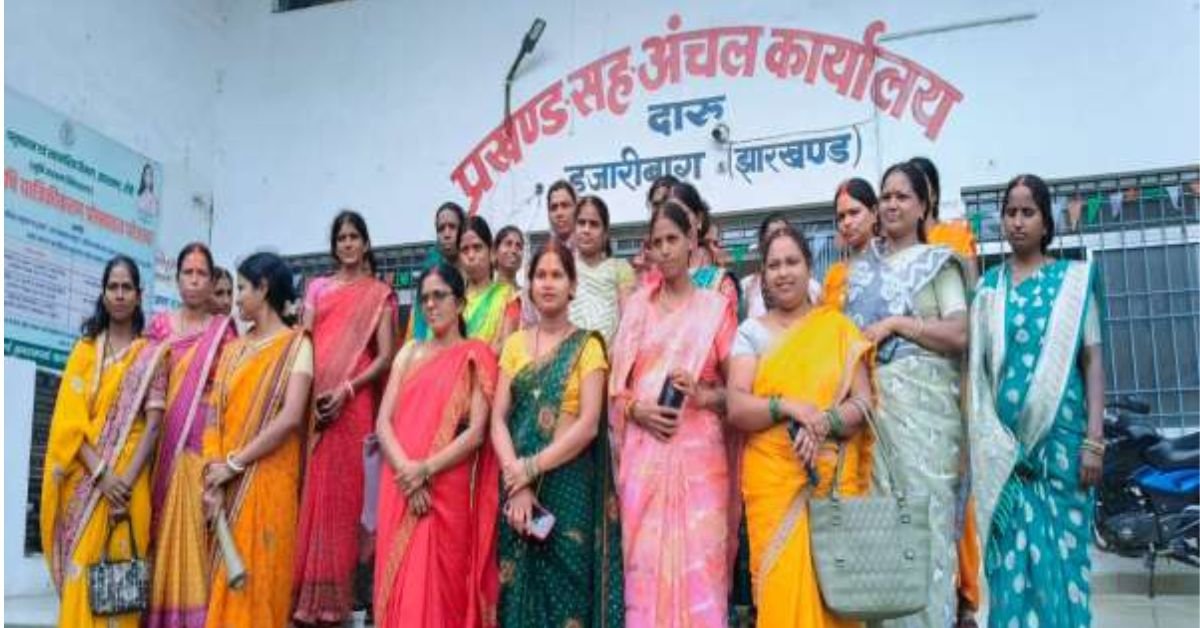
Dhanbad, October 4, 2024: In a major move that is set to disrupt essential child welfare services across Jharkhand, over 76,000 Anganwadi Sevikas and Sahayikas will begin an indefinite strike starting tomorrow.
The strike has been called to demand the implementation of their long-pending eight-point charter of demands.
The Jharkhand Rajya Samaj Kalyan Anganwadi Karmchari Sangh (JRSKAKS), representing the Sevikas and Sahayikas, has stated that the state government’s consistent failure to address their issues has left them with no choice but to resort to an indefinite protest.
Background of the Strike
The Anganwadi Sevikas and Sahayikas have been at the forefront of community services, delivering crucial early childhood care and education, maternal health and nutrition services under the Integrated Child Development Services (ICDS) program.
Despite their pivotal role, these workers have struggled for years to get their demands addressed by the Jharkhand government.
Their eight-point charter includes demands for job regularization, improved honorariums, and parity with government employees in terms of benefits and social security.
The call for an indefinite strike comes after years of agitations, negotiations, and unfulfilled promises from state officials.
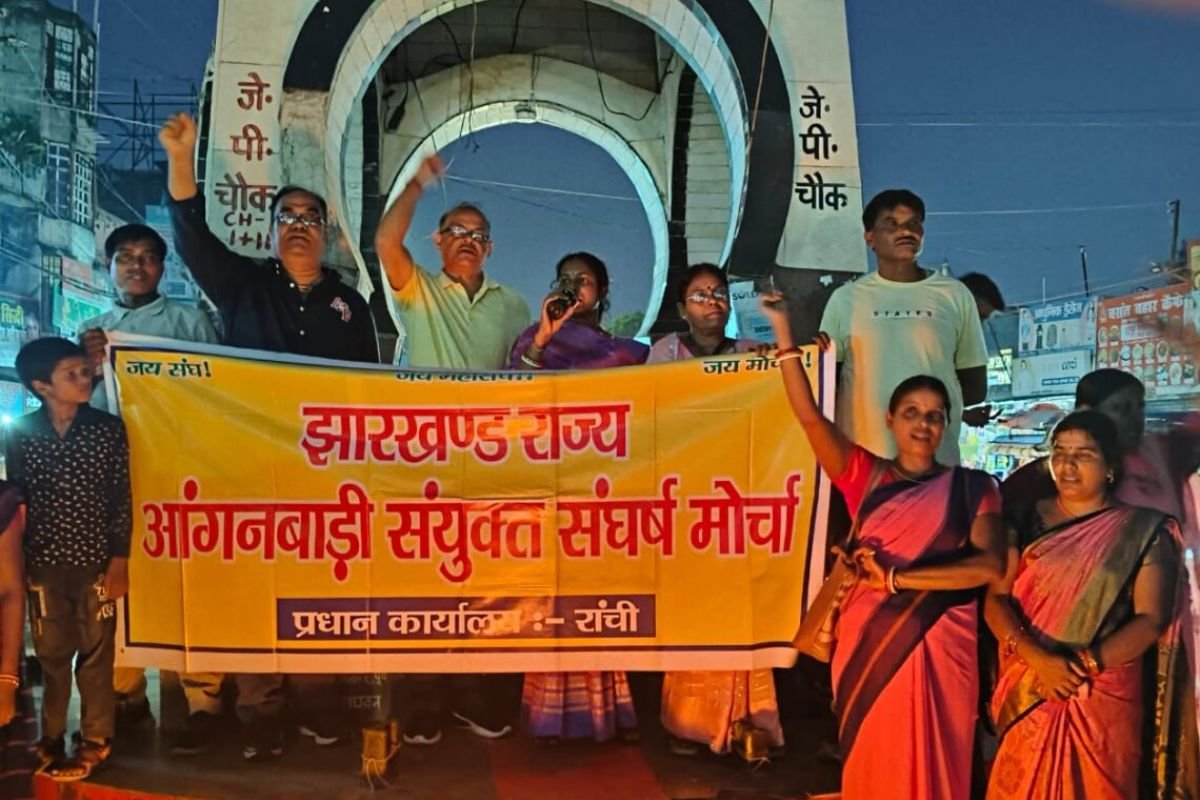
Torchlight processions were held in districts across Jharkhand on October 2, 2024, to highlight the seriousness of their demands, culminating in the decision to strike from October 5.
Eight-Point Demands of Anganwadi Workers
At the heart of the strike are the eight-point demands which have long been a source of discontent among the Anganwadi workforce. The demands include:
Torchlight Processions and Agitation
On October 2, workers organized torchlight processions in multiple districts, including Ranchi, Dhanbad, Bokaro and Hazaribagh, as a symbolic warning to the state government.
The processions drew large crowds and widespread support from various civil society organizations.
The purpose was to amplify their voices and highlight the urgency of their demands, which, despite being presented multiple times over the years, have not been adequately addressed by the Department of Women, Child Development and Social Security.
Ashok Kumar Singh ‘Nayan,’ patron of the JRSKAKS, stressed the workers’ grievances, stating, “The government’s indifference has left us with no other option but to strike. Our demands are valid and have been ignored for far too long.”
Government Response and Official Stance
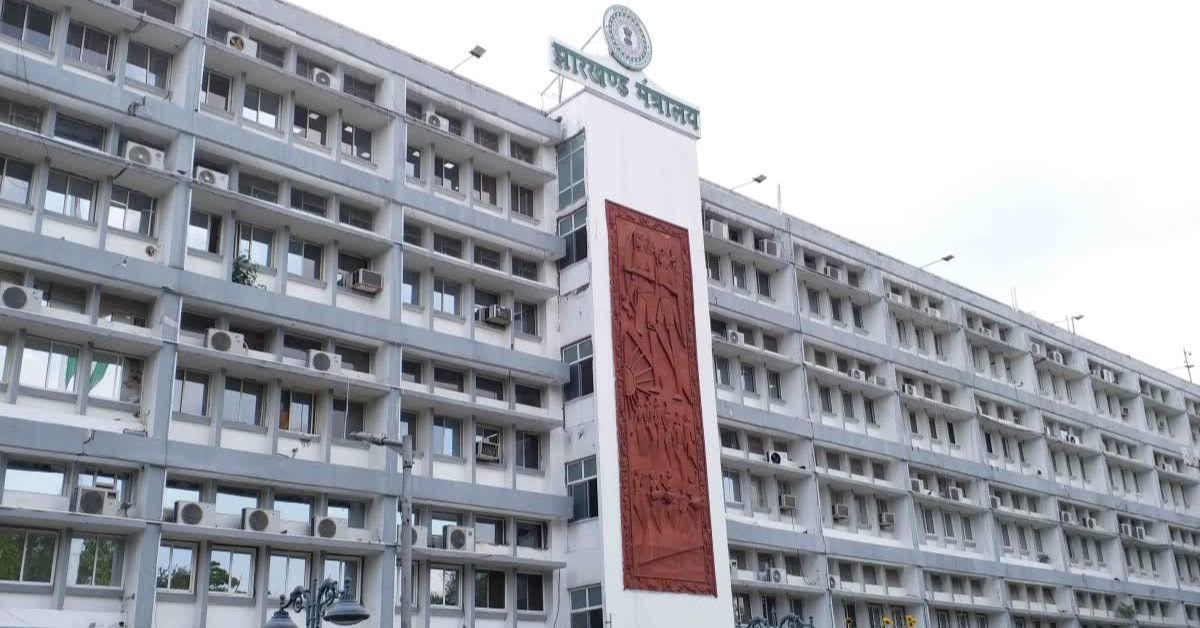
So far, the state government has not issued a comprehensive response to the strike announcement.
According to sources within the Department of Women, Child Development and Social Security, the government acknowledges the importance of the Anganwadi workers but cites budgetary constraints as the primary reason for the delay in addressing their demands.
However, workers argue that the state’s budgetary constraints should not come at the expense of the essential services they provide to society.
Despite these justifications, the workers have decided to proceed with their strike, which could severely impact Jharkhand’s ICDS program.
Political Implications and Fallout
The Anganwadi strike comes at a politically sensitive time in Jharkhand, as the state prepares for assembly elections in early 2025.
Political parties are watching the developments closely, with opposition parties offering vocal support to the striking workers.
The strike has the potential to become a significant election issue, particularly in rural constituencies where Anganwadi services are indispensable for child nutrition and women’s empowerment.
Political analysts believe the strike could lead to a wave of public sympathy for the workers, further pressurizing the ruling government.
Additionally, there is concern that the government’s inability to resolve the workers’ demands could lead to widespread disruptions in essential services, which could, in turn, damage its electoral prospects.
Impact on Public Services
The indefinite strike is likely to have a far-reaching impact on Jharkhand’s Anganwadi services, particularly in rural and tribal regions.
Anganwadi centers serve as lifelines for children under six years old, providing supplementary nutrition, healthcare, and pre-school education.
With the strike set to begin, these services will be suspended, leaving vulnerable children and their families without access to crucial support.
The ICDS program, which covers over 40,000 villages in Jharkhand, is a key part of the government’s efforts to reduce child malnutrition and maternal mortality.
With the indefinite suspension of services, experts fear a setback in the state’s fight against malnutrition, especially in the impoverished regions of the state.
Statements from Leaders and Experts
Devanti Devi, general secretary of JRSKAKS, expressed her frustration with the government’s lack of seriousness.
“Despite repeated assurances from government officials, we have seen no action on our demands. We are left with no option but to strike,” she said, emphasizing the workers’ determination to continue their fight until all their demands are met.
Meanwhile, child welfare experts have voiced concerns about the prolonged impact of the strike on Jharkhand’s social development programs.
“The government needs to address the Anganwadi workers’ demands urgently. Their role in child development, maternal health, and nutrition is irreplaceable,” said Anjali Singh, a child rights activist.
Possible Outcomes and Conclusion
As the strike begins, the Jharkhand government faces a difficult decision: either meet the demands of the Anganwadi workers, which will require a substantial allocation of resources, or face prolonged disruptions in essential child and maternal welfare services.
Given the scale of the strike and the political support it is garnering, it is likely that the government will be forced to negotiate a settlement in the coming weeks.
The situation remains tense, with both the workers and the government preparing for a protracted standoff.
The resolution of this strike will have significant implications, not only for the Anganwadi workers but also for the future of child welfare services in Jharkhand.